Raising awareness
Get involved
Measure
Engagement
Alternatives
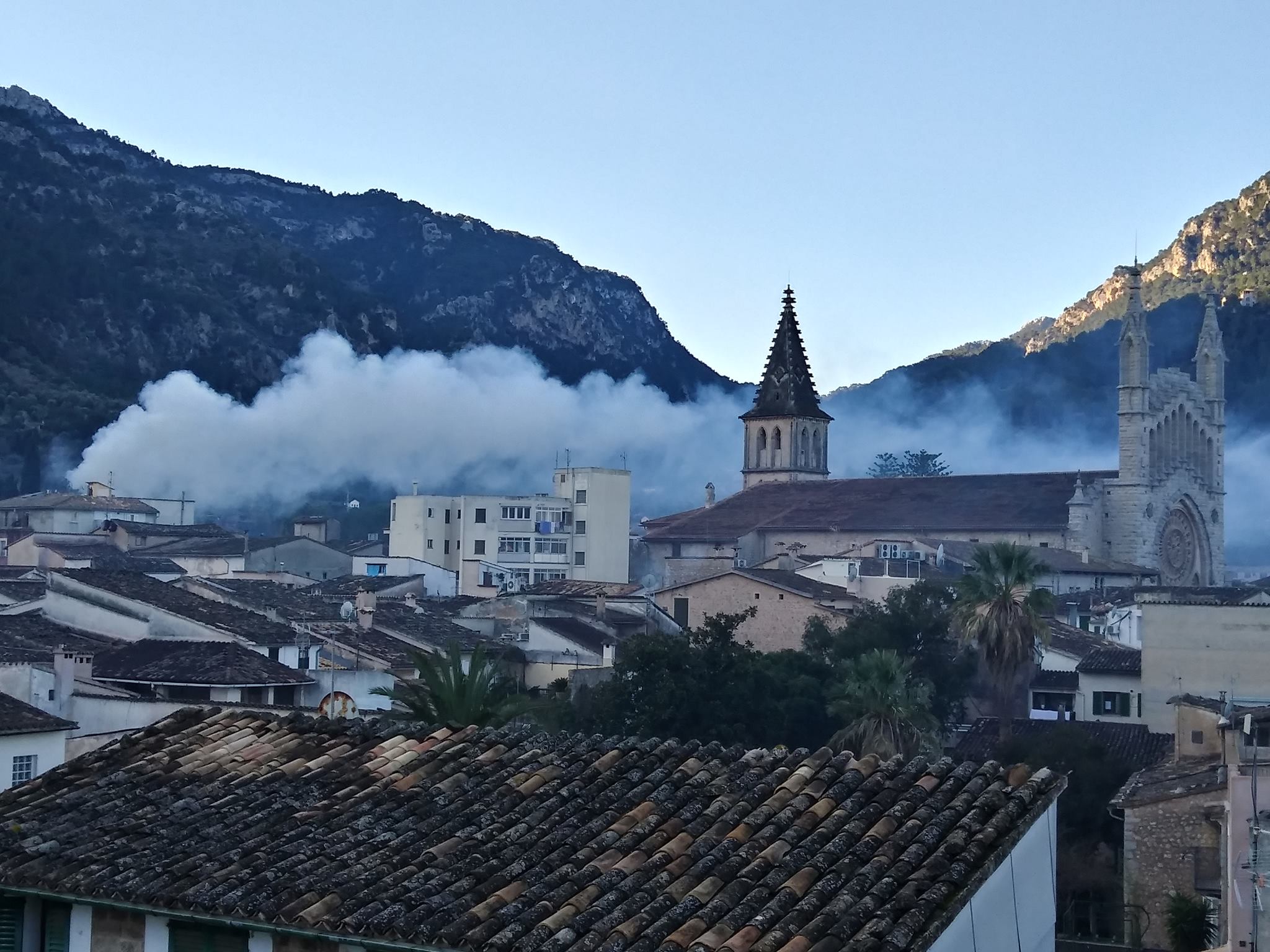
Making the invisible visible
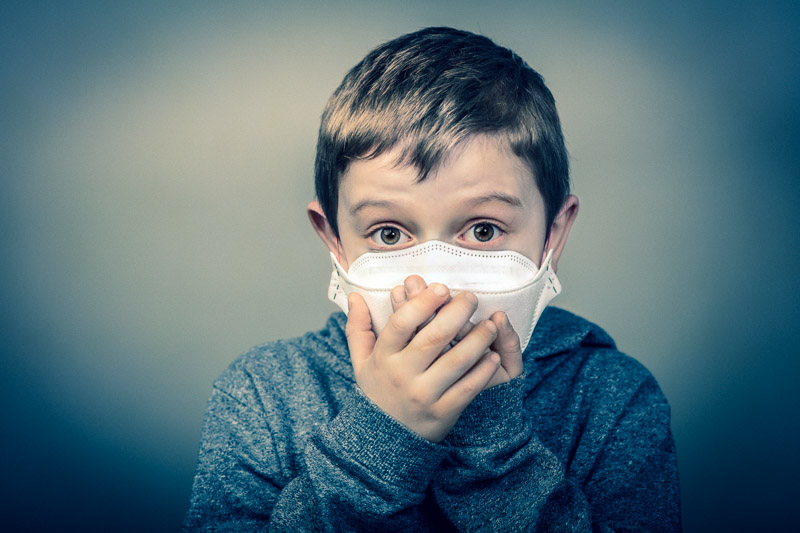
It would never occur to us to feed our families potentially hazardous food or give them contaminated water. Yet all too often we fail to apply the same caution to the air we all breathe. This is due, primarily, to a lack of awareness. And raising awareness of the impact of air pollution on human health and wellbeing is a cornerstone of our initiative.
Global air pollution is now the biggest environmental risk of early death, responsible for as many as seven million premature deaths each year. That’s more than AIDS, tuberculosis and malaria combined. And recent studies have uncovered that air pollution can impact mental health, lung development and the economy.
Educating residents about air pollution risk is essential to making the topic personally relevant while also managing the potential stress, sense of powerlessness, or lack of control that may come with knowledge of environmental contamination.
Studies have shown that air quality communication is lacking yet crucially needed. Information about air pollution and health risks is often disseminated using channels that are unlikely to reach the most vulnerable populations. Raising awareness at a local level among an engaged population will greatly increase the impact of information.
Citizen science, or the public’s direct participation in collecting, analyzing, and interpreting scientific data, has also proven effective in translating results to action and prompting local clean-air solutions.
We also need to help people make sense of the information. Hyperlocal maps can stimulate engagement and direct people towards action.
Communication about air quality has the potential to reduce the adverse effects of air pollution through generating awareness and catalyzing public opinion in support of policies for air pollution reductio; all are components of environmental health literacy.
Problem displaying Facebook posts.